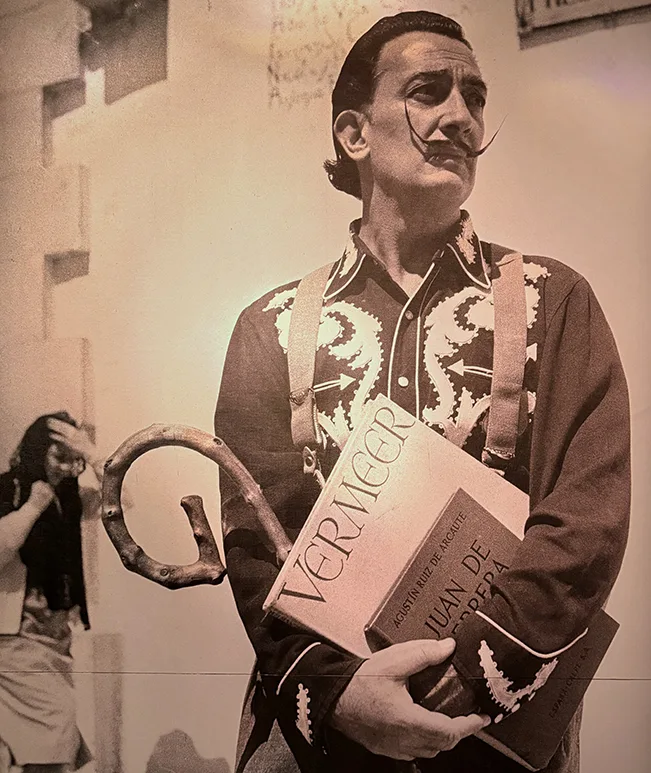
Given Rome’s enduring role as a patron of artistic innovation – from the Pantheon and Colosseum to the Renaissance revival of mathematical precision and the grandeur of the Baroque – encountering a Salvador Dalí exhibition during my recent visit felt at once unexpected and entirely fitting. Dalí, so closely associated with Spain and the Surrealist movement, initially seemed an unlikely companion to Bernini, Raphael, and Michelangelo, particularly as only one or two pieces reflected his admiration for the Italian masters. Yet this sense of surprise quickly gave way to curiosity, prompting me to reconsider Rome not simply as a reflection of the zeitgeist of the past, but as a city engaged in an ongoing dialogue with artistic reinvention.
“Rome, eternal custodian of masterpieces from every age, also offers, I believe, the ideal setting in which to explore the perennial dialogue between artistic tradition and revolution.”
Franco Parasassi, President
The exhibition, Dalí: Revolution and Tradition, held at the Museo del Corso, featured over sixty of Dalí’s works. It was split into four sections, each exploring his creative dialogue with Pablo Picasso, Johannes Vermeer, Raphael Santi, and Diego Velázquez. Through this structure, the exhibition focused on how these artists influenced Dalí’s work and the profound role they played in shaping his own artistic revolution. The result was a compelling visual journey that revealed their constant presence throughout his artistic legacy.
Reflecting on the exhibition afterwards, and revisiting the photographs I had taken, it began to resonate with my own creative journey. Just as Raphael was described as one of the “tutelary spirits” that accompanied Salvador Dalí throughout his life, I realised that Dalí occupies a similar space in mine. Like him, I am drawn to the artists who have shaped my way of seeing – Andy Warhol, Roy Lichtenstein, Piet Mondrian, and Frida Kahlo – whose influence is evident in my series of homage portraits.
Yet influence is only the beginning. I am still in the process of defining my own creative voice and determining how best to express it. My work remains eclectic, spanning tattoo art, minimalist architectural design, and graphic collage, driven by curiosity and a desire to learn and explore rather than settle… at least for now.
It feels fitting, then, that Dalí chose to conclude the exhibition catalogue of his first solo exhibition in Barcelona, with a quotation from the French essayist and art historian Élie Faure: “A great [artist] only has the right to take up tradition again after he has gone through a revolution, which is simply the search for his own reality.” In many ways, this is where I now find myself: within that search.
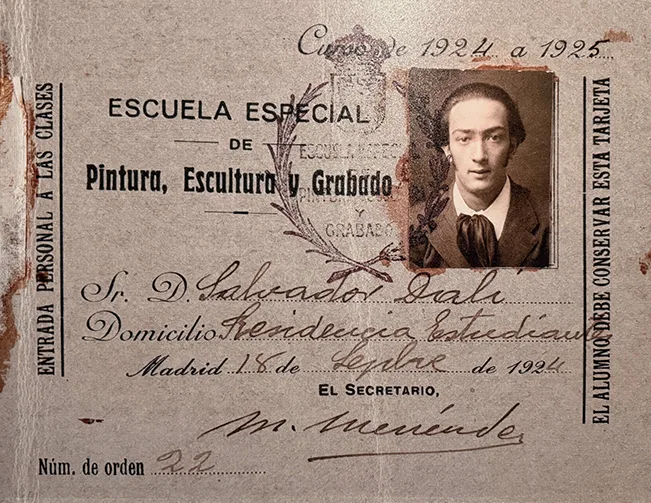
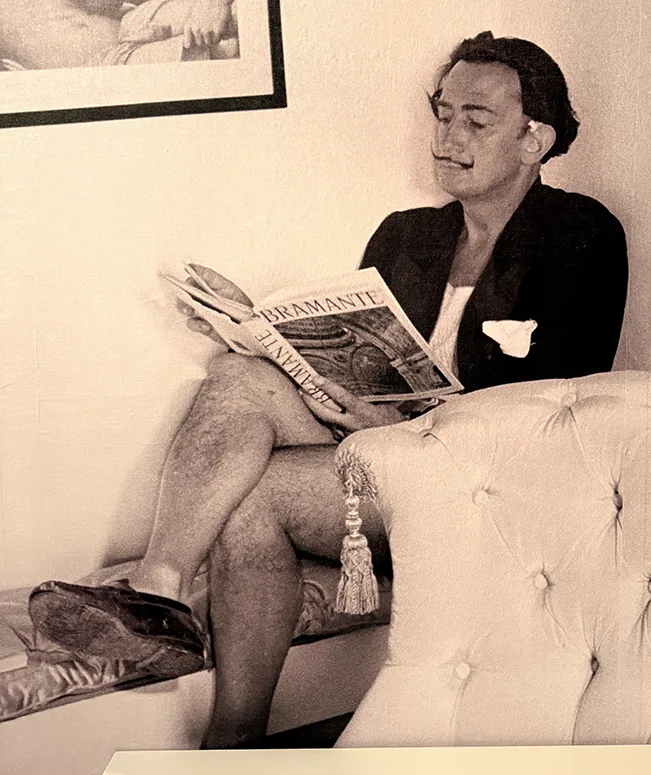
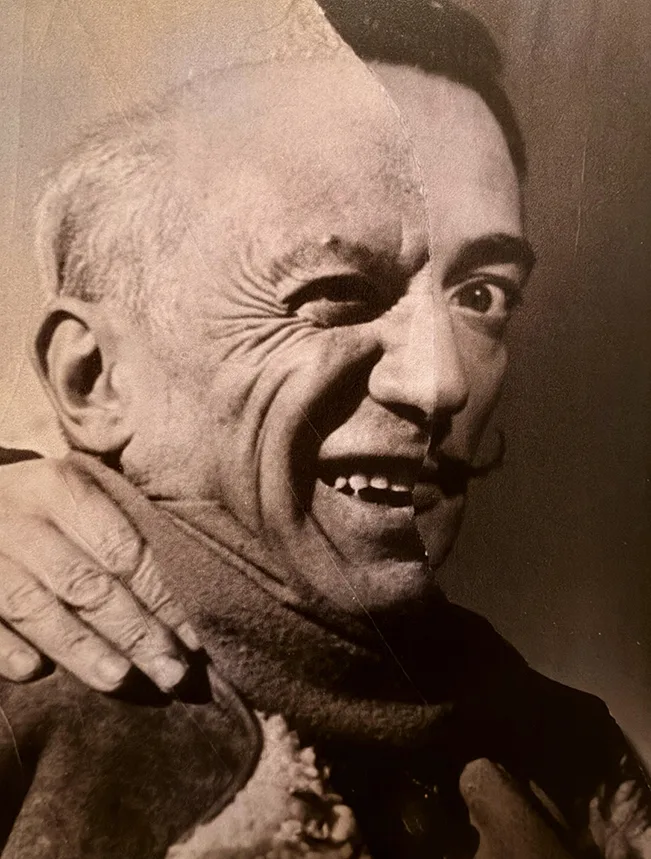
Dalí: Revolution and Tradition – Picasso Being Dalí
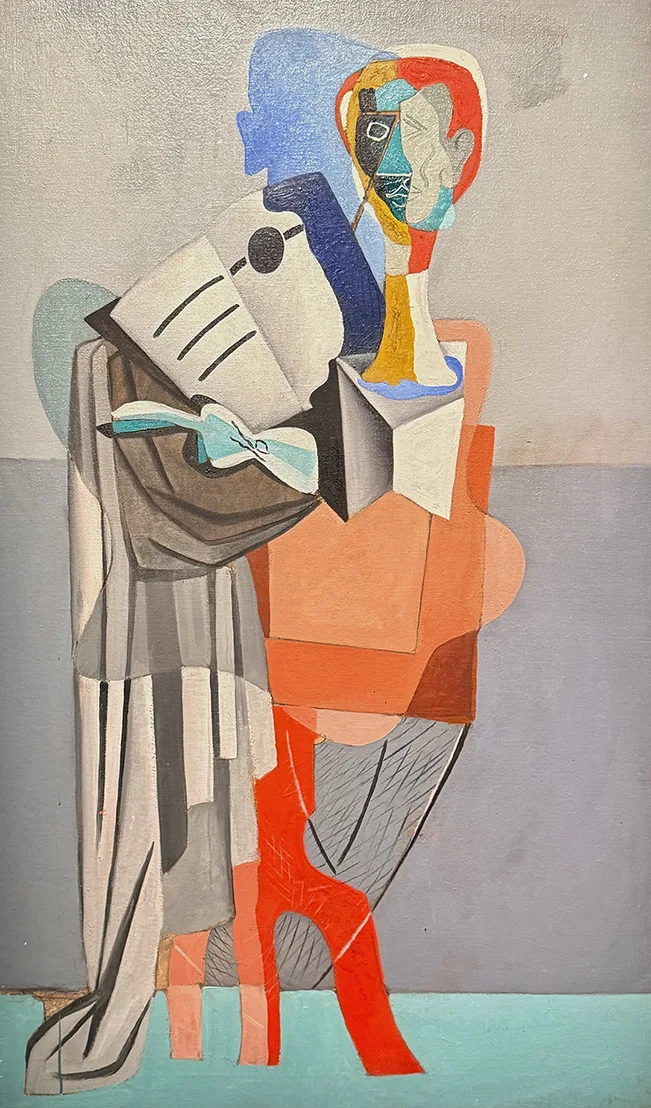
Dalí: Revolution and Tradition – Picasso
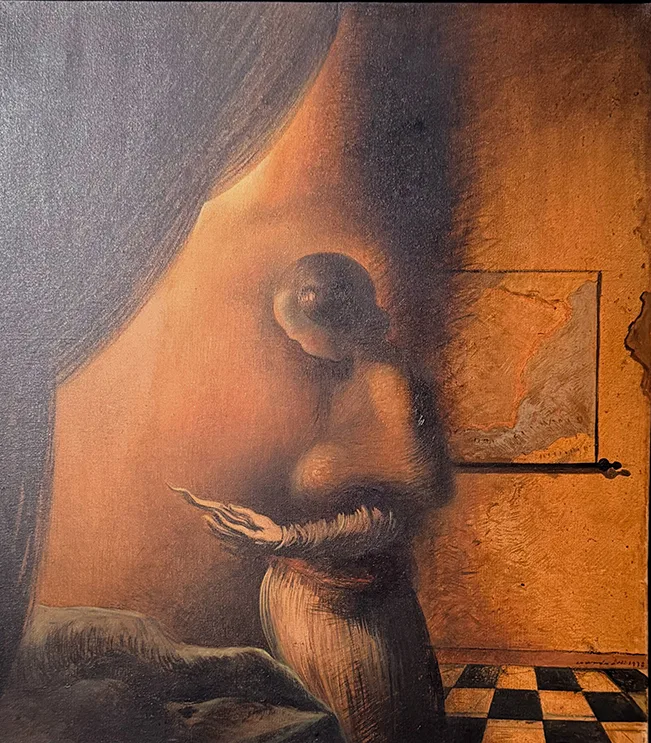
Dalí: Revolution and Tradition – Vermeer
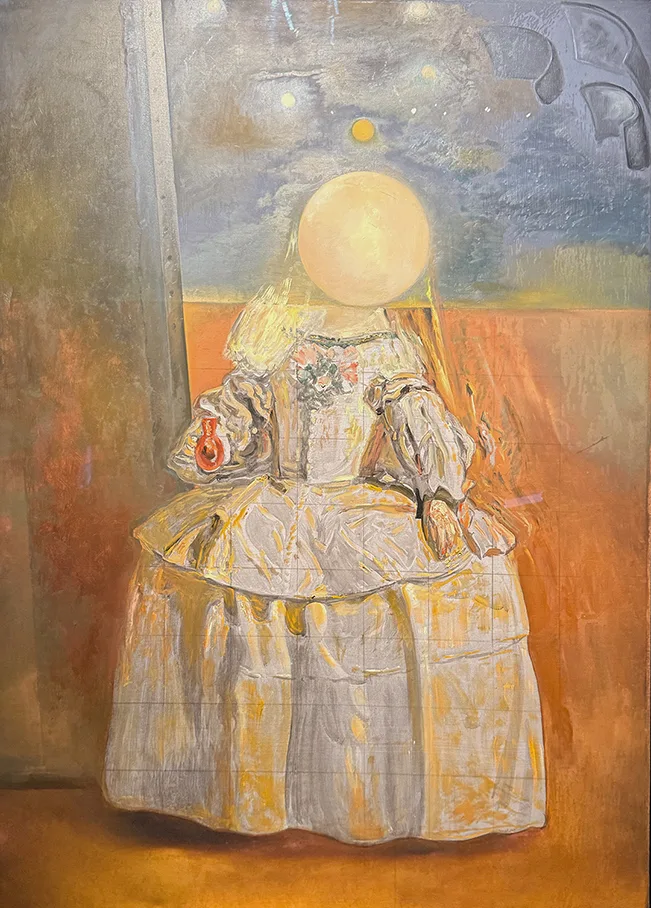
Dalí: Revolution and Tradition – Velázquez
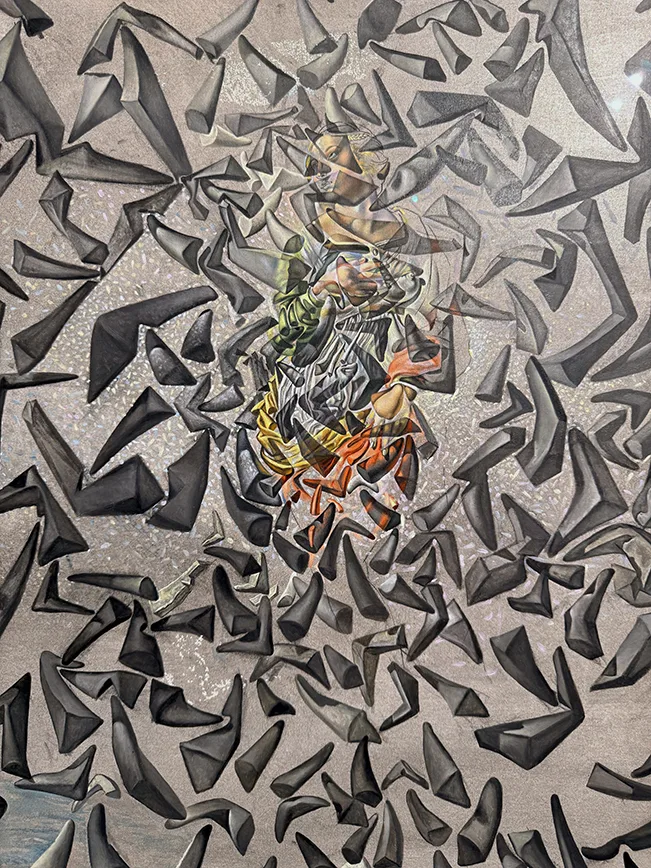
Dalí: Revolution and Tradition – Raphael